Knitwear Trends for Autumn/Winter 2026: What Buyers Need to Know
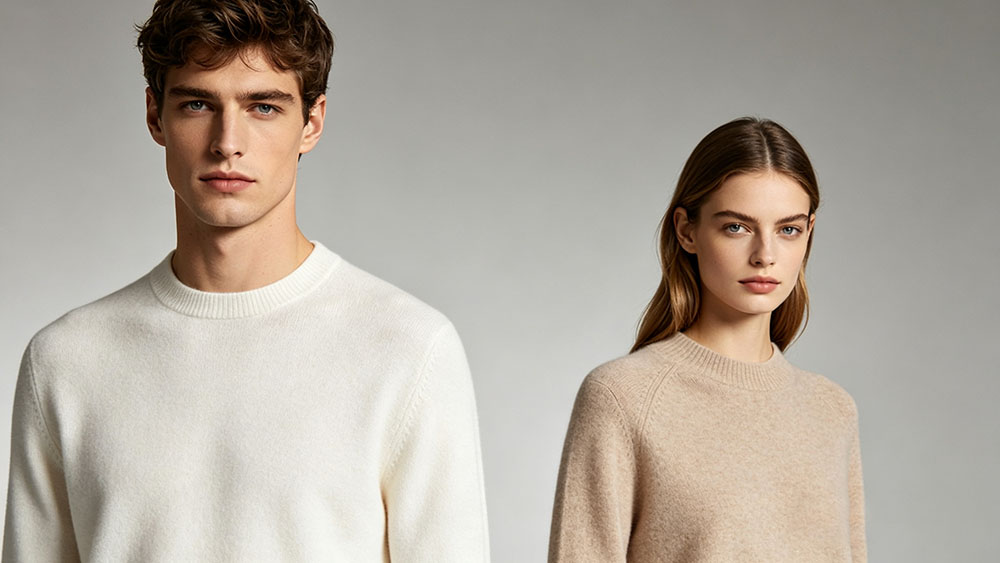
As brands begin planning their Autumn/Winter 2026 knitwear assortments, several key trends are emerging that will shape buying decisions across Europe, North America, and Asia-Pacific markets. Drawing on design intelligence from the Honghe knitwear cluster and market signals from global fashion weeks, here is what buyers should have on their radar.
1. The Sustainability Mandate Gets Specific
Sustainability in knitwear has moved beyond generic claims. For AW26, the conversation is sharpening around three specific areas:
Recycled and regenerative fibers: Recycled cashmere, recycled wool, and regeneratively farmed merino are transitioning from niche to mainstream. GRS (Global Recycled Standard) certification is becoming a baseline requirement for European buyers, not a differentiator. Manufacturers investing in certified recycled yarn supply chains will have a structural advantage.
Organic cotton and linen blends: GOTS-certified organic cotton blended with linen or Tencel is gaining traction for mid-weight transitional pieces. These blends offer breathability, a natural hand feel, and a clear sustainability narrative.
Traceability: Buyers increasingly expect to know where yarn comes from — not just the country, but the specific mill or farm. Digital traceability systems, such as QR-code-linked production records, are becoming a selling point.
For manufacturers in the Honghe cluster, this means investment in certified yarn inventories and traceability infrastructure is no longer optional — it is a competitive necessity.
2. Texture Over Print
After several seasons dominated by bold graphics and logo-driven knitwear, AW26 is pivoting toward texture as the primary visual language. Key techniques to watch:
Cable knit reimagined: Classic Aran and fisherman cables are being updated with exaggerated scale, asymmetric placement, and mixed-gauge execution. Think oversized cable panels on fine-gauge backgrounds.
Brushed and felted finishes: Mohair, alpaca, and brushed cashmere blends create a soft, haloed surface that photographs beautifully and feels luxurious. These finishes are appearing across categories, from pullovers to accessories.
Rib and pointelle structures: Fine ribs, pointelle stitching, and openwork patterns are trending for layering pieces. These techniques add visual interest without adding weight — ideal for indoor-outdoor transitional dressing.
Slub and bouclé yarns: Irregular, textured yarns are making a comeback, particularly in relaxed-fit, casual silhouettes targeting the contemporary market.
For buyers, the takeaway is clear: invest in texture-driven designs, and ensure your manufacturing partner has proven capability in cable knitting, brushed finishing, and specialty yarn handling.
3. The Rise of the "Third Piece"
The knitwear category is expanding beyond the traditional sweater into what merchandisers call the "third piece" — the layer between innerwear and outerwear that completes an outfit. Key items:
Knit vests and sweater vests: Continuing their strong performance, now evolving into longer-line silhouettes and belted versions.
Knit polo shirts and collar details: The polo collar in knit form bridges casual and smart-casual, appealing to both men's and women's markets.
Cropped cardigans and shrugs: A younger, fashion-forward silhouette driving volume in the women's contemporary segment.
Knit dresses: Midi and maxi knit dresses in rib structures and fine gauges are performing well across markets, offering a one-piece solution that retails at higher price points.
For manufacturers, these "third piece" items often share production DNA with core sweater programs, meaning they can be integrated into existing capacity without major retooling.
4. Color Direction: Warm Neutrals with Strategic Pops
The AW26 color story balances commercial reliability with selective boldness:
Core palette: Warm cream, oatmeal, charcoal grey, and deep navy remain the backbone of commercial knitwear. These colors drive volume and should anchor any collection.
Mid-layer tones: Dusty rose, sage green, and soft lilac are emerging as bridge colors that add femininity without sacrificing wearability.
Accent colors: Burnt orange, ochre, and deep teal provide the seasonal pop. These work best as statement pieces or within patterned designs like Fair Isle and intarsia.
Monochrome dressing: Tone-on-tone knit dressing — matching or tonal pullover and skirt sets — continues to perform strongly on social media and in editorial coverage.
5. Size Inclusivity as Standard
One trend that has moved firmly from "nice to have" to "mandatory": extended size ranges. Brands that offer knitwear only up to size XL are increasingly excluded from wholesale and department store consideration. For AW26, the baseline expectation is a size range of XS-3XL, with many buyers requesting up to 4XL or 5XL for select styles.
For manufacturers, this has practical implications: grading patterns across an extended size range requires technical capability, and larger sizes consume more yarn and machine time — factors that must be built into costing from the start.
6. The Hybrid Model: Physical + Digital Sourcing
AW26 planning is happening in a hybrid environment. While international travel has resumed, digital tools adopted during recent years have become permanent fixtures in the sourcing workflow:
3D virtual sampling: Buyers are increasingly comfortable approving designs via 3D renders before committing to physical samples, reducing time and material waste.
Video factory tours: For initial supplier screening, recorded or live video walkthroughs are often sufficient, with in-person visits reserved for final selection.
Digital showrooms: Platforms that aggregate certified suppliers and present collections digitally — such as the Sweaterpi portal — are reducing the friction of supplier discovery.
What This Means for Your AW26 Buy
The factories best positioned for AW26 are those that combine technical versatility (texture techniques, extended sizing) with sustainability credentials (certified yarns, traceability) and digital service capabilities (3D sampling, virtual tours). The Honghe cluster, with its 40-year heritage and new platform infrastructure through Sweater City Group, is actively investing across all three dimensions.
For buyers, the season ahead rewards clarity: know your texture story, lock in your sustainability requirements early, and work with manufacturing partners who can demonstrate capability — not just claim it.